
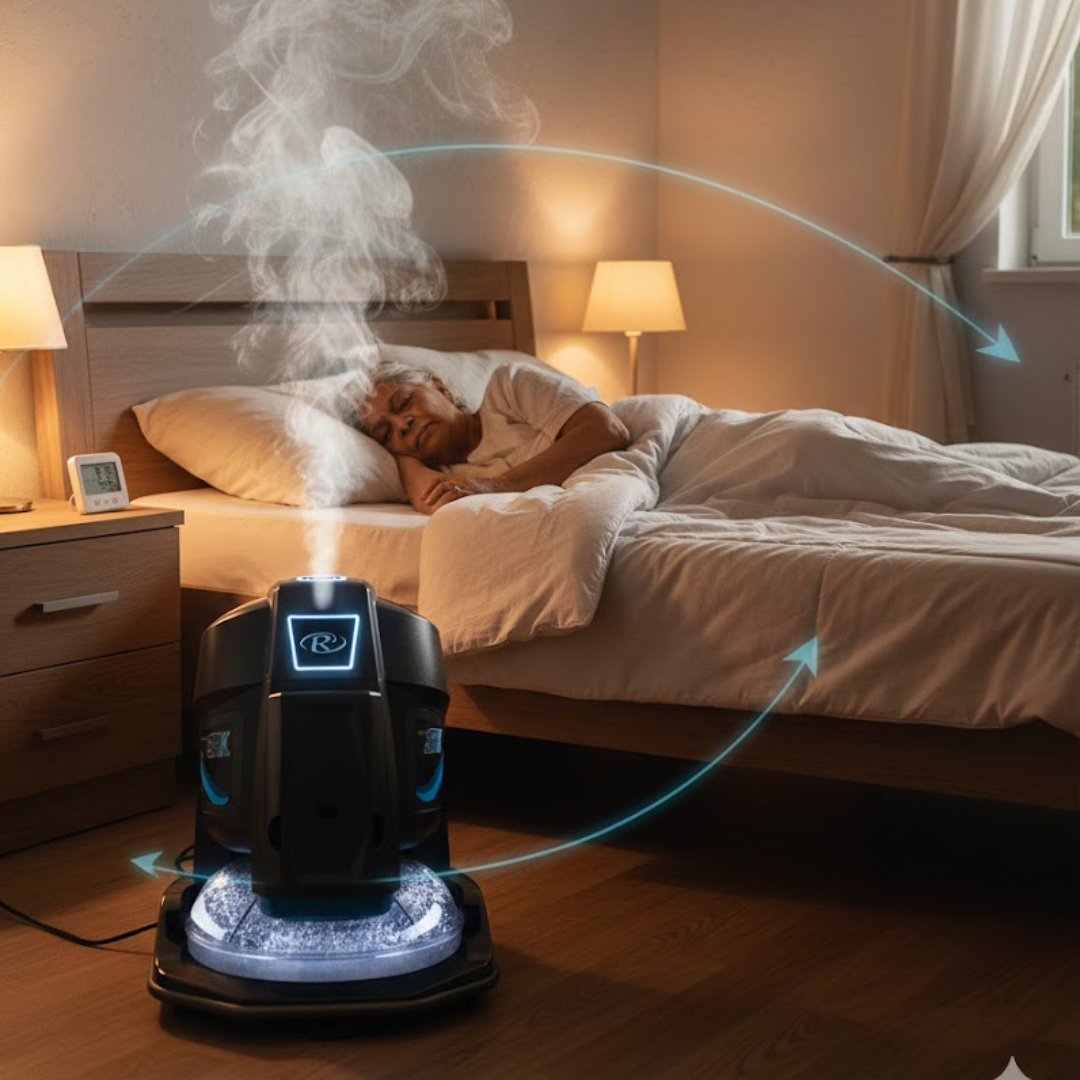
Air purifier for asthma — bedrooms are meant to be spaces for rest and recovery, but in homes prone to dampness and fungus, they can quietly become a source of health discomfort. For one family living in a ground-floor apartment, persistent damp smells, fungal wall patches, and poor air quality in the bedroom led to disturbed sleep and recurring respiratory irritation. Despite regular cleaning and repainting, the problem kept returning.
This case study from Hygiene Homes shows how addressing air quality, supported by the use of an air purifier for asthma, rather than surface-level symptoms, helped transform a damp bedroom into a healthier and more comfortable sleeping environment.
The Problem: Dampness and Fungus in the Bedroom
The bedroom was the most affected area in the home due to limited sunlight and restricted airflow. Moisture from the surrounding environment and daily activities accumulated indoors, creating ideal conditions for fungal growth.
The family faced several challenges:
- Persistent damp and musty odours
- Visible fungus on walls and behind furniture
- Increased coughing and throat irritation at night
- Poor sleep quality and morning fatigue
- Concern about long-term exposure, especially for the elderly family member
Keeping windows closed due to outdoor pollution further reduced ventilation, trapping moisture and airborne fungal spores inside the bedroom. This made respiratory discomfort worse, particularly at night—highlighting the need for an air purifier for asthma to improve breathing during sleep.
What We Found During the Assessment
A detailed assessment by Hygiene Homes identified three main contributors:
1. Excess Moisture Retention
Humidity levels in the bedroom were consistently above healthy limits, especially during the night.
2. Poor Air Movement
Stagnant air allowed moisture and fungal spores to settle on walls, curtains, and bedding.
3. Continuous Exposure During Sleep
Spending long hours in the bedroom increased direct exposure to damp air and airborne fungal particles, aggravating asthma-like symptoms.
These findings confirmed that improving bedroom air quality was essential for long-term relief.
Introducing the Bedroom Air Quality Improvement Solution
Hygiene Homes recommended a combined approach focused on air purification and moisture control. The solution included:
- Installing a high-efficiency air purifier for asthma with HEPA filtration to capture airborne fungal spores
- Improving air circulation within the bedroom
- Advising humidity management through daily habits
- Repositioning furniture to allow airflow behind walls
The air purifier was placed near the sleeping area and operated consistently, especially during high-humidity periods, ensuring cleaner air throughout the night.
Results Timeline: What the Family Experienced
Improvements appeared gradually but steadily with consistent use.
Within the First Week
- Noticeable reduction in musty odours
- Bedroom air felt lighter and fresher
- Reduced throat irritation during sleep
After 2 Weeks
- No new visible fungal patches appeared
- Improved breathing comfort at night
- Reduced coughing and congestion on waking
After 3–4 Weeks
- Sustained control of dampness-related issues
- Better sleep quality and improved energy levels
- Greater confidence in bedroom hygiene and safety
For the family, this was the first time the bedroom felt genuinely comfortable rather than damp and heavy.
Why Improving Bedroom Air Quality Works
Dampness and fungus are not just surface problems; they are airborne issues. Fungal spores remain suspended in the air and easily resettle if moisture and stagnant conditions persist.
Improving bedroom air quality works by:
- Removing airborne fungal spores
- Reducing moisture retention in closed spaces
- Preventing regrowth on walls and furnishings
- Supporting healthier breathing during sleep
An air purifier for asthma plays a crucial role by continuously filtering irritants during long resting hours.
Additional Steps Recommended
To maintain results, Hygiene Homes suggested simple preventive measures:
- Keeping a small gap between furniture and walls
- Allowing periodic ventilation during low-pollution hours
- Avoiding indoor drying of clothes in the bedroom
- Using exhaust fans or air circulation aids when needed
- Monitoring indoor humidity regularly
When combined with air purification, these steps helped sustain a healthier bedroom environment.
Key Takeaways for Homeowners
Bedrooms in damp-prone homes require special attention. Even clean and well-maintained rooms can harbour invisible fungal spores that affect comfort and respiratory health.
Improving bedroom air quality can:
- Reduce dampness and fungal growth
- Improve sleep and breathing comfort
- Minimise night-time respiratory irritation
- Protect walls, furniture, and bedding
- Create a healthier resting space
This case study shows that lasting improvement comes from managing air and moisture—not just cleaning visible fungus.
Creating Healthier Bedrooms
Hygiene Homes continues to help families improve indoor environments through expert assessments and practical solutions. This bedroom transformation highlights how improving air quality, supported by the right air purifier for asthma, can restore comfort, safety, and peace of mind in damp-prone homes.
A healthier bedroom starts with cleaner air, and better air quality leads to better sleep and wellbeing.