
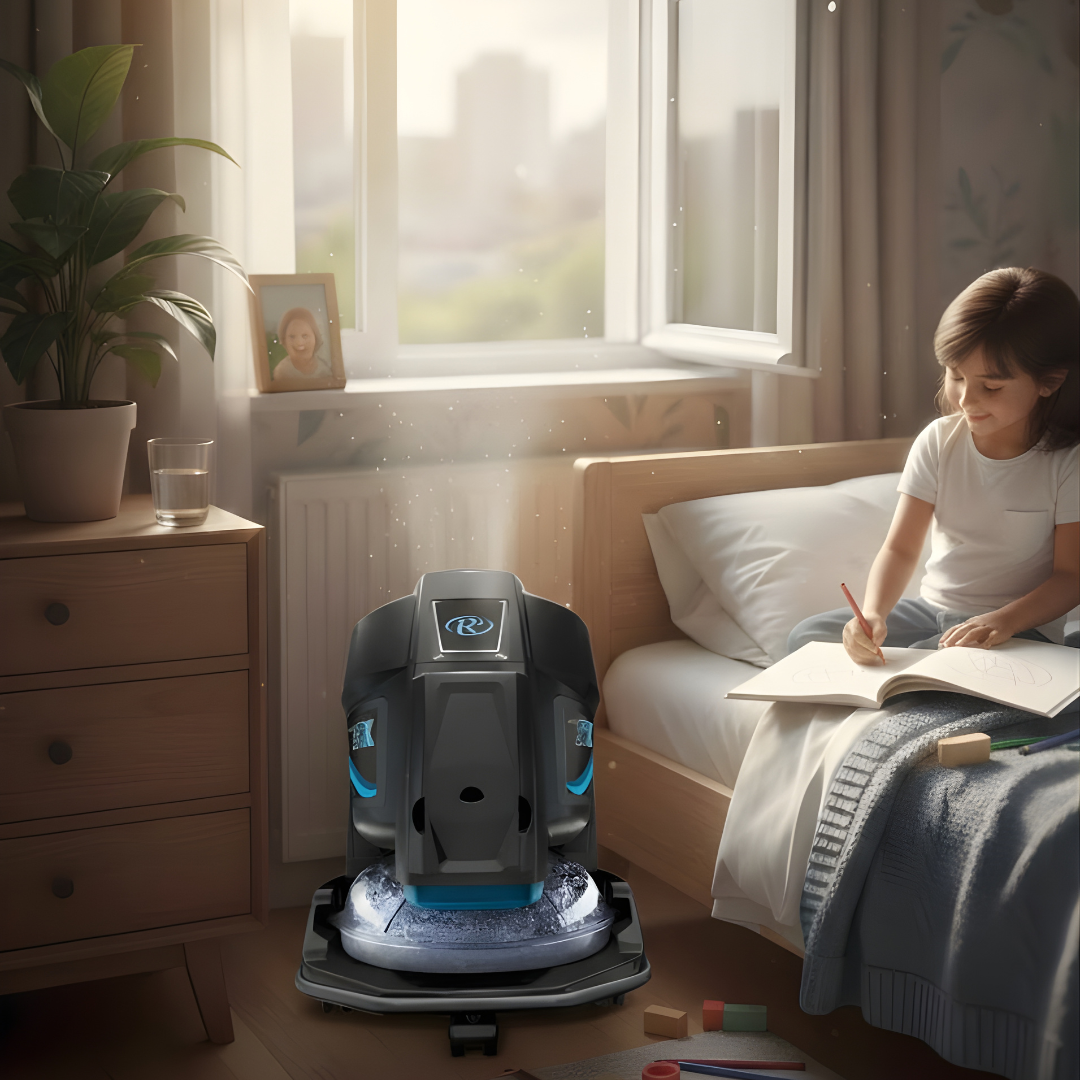
Air purifier for asthma and allergies — children are particularly vulnerable to poor indoor air quality, especially when mold spores are present. For one family living in a damp-prone urban apartment, recurring health issues in their young child raised serious concerns. Frequent coughing, nasal congestion, skin irritation, and disturbed sleep became routine, particularly during humid months. Despite regular cleaning and visible mold removal, the symptoms persisted, pointing to the need for a deeper, air-quality-focused solution rather than surface-level fixes.
This case study from Hygiene Homes demonstrates how a targeted indoor air treatment approach, supported by the use of an air purifier for asthma and allergies, helped reduce mold exposure and create a safer, healthier home environment for a child sensitive to mold.
The Problem: Mold Sensitivity Affecting a Child’s Health
The family’s apartment showed signs of dampness in multiple areas, but the child’s bedroom was the most affected. Limited sunlight, closed windows due to pollution, and high humidity created conditions where mold spores could thrive invisibly in the air.
The child experienced:
- Frequent coughing and throat irritation
- Blocked nose and sneezing, especially at night
- Skin rashes and itching
- Poor sleep quality and daytime fatigue
- Increased sensitivity during humid weather
Although visible mold patches were cleaned regularly, symptoms returned quickly—indicating that airborne mold spores, rather than surface contamination alone, were the primary trigger. This highlighted the need for an air purifier for asthma and allergies, particularly in the child’s sleeping space.
Concerned about long-term health effects, the parents contacted Hygiene Homes for a professional indoor air assessment.
What We Found During the Assessment
The Hygiene Homes team carried out a detailed evaluation of the home, with special focus on the child’s bedroom and common living areas. Three major issues were identified:
1. High Levels of Airborne Mold Spores
Even after cleaning, mold spores remained suspended in the air and were easily inhaled by the child.
2. Excess Indoor Humidity
Humidity levels consistently exceeded healthy limits, especially during the night.
3. Poor Air Circulation
Stagnant air allowed spores to settle and resurface repeatedly, increasing exposure.
The assessment confirmed that improving indoor air quality—not just removing visible mold, was critical for protecting the child’s health.
Introducing the Indoor Air Treatment Solution
Hygiene Homes recommended a comprehensive indoor air treatment plan focused on mold spore control and moisture management. The solution included:
- Installing a high-efficiency air purifier for asthma and allergies with True HEPA filtration to capture airborne mold spores
- Improving air circulation in closed rooms
- Advising humidity control through daily habits and equipment use
- Reorganising furniture placement to allow airflow behind walls
The air purifier was placed in the child’s bedroom and operated continuously during high-humidity periods, ensuring consistent removal of airborne irritants.
Results Timeline: What the Family Experienced
Improvements were observed in clear stages as indoor air quality stabilised.
Within the First Week
- Noticeable reduction in musty odours
- Less night-time coughing and throat irritation
- Calmer, more comfortable breathing during sleep
After 2 Weeks
- Significant reduction in nasal congestion and sneezing
- Fewer skin irritation episodes
- Improved sleep continuity for the child
After 3–4 Weeks
- Sustained improvement in respiratory comfort
- No recurrence of visible mold in treated rooms
- Greater confidence in the safety of the child’s living environment
For the parents, this was the first time they felt reassured that the indoor environment was no longer triggering their child’s symptoms.
Why Indoor Air Treatment Works for Mold-Sensitive Children
Mold spores are microscopic and easily inhaled, making children especially vulnerable due to developing respiratory systems. Surface cleaning alone cannot eliminate airborne exposure.
Indoor air treatment works by:
- Capturing mold spores before they are inhaled
- Reducing continuous exposure during sleep and play
- Limiting the spread of spores to other areas of the home
- Supporting a cleaner, safer breathing environment
An air purifier for asthma and allergies plays a crucial role by continuously filtering irritants during the hours children spend indoors.
Additional Protective Measures Recommended
To support long-term results, Hygiene Homes advised the family to adopt simple preventive habits:
- Maintaining indoor humidity between 40% and 50%
- Avoiding indoor drying of clothes
- Keeping wardrobes and storage areas ventilated
- Regularly cleaning air purifier filters
- Allowing sunlight and airflow during low-pollution hours
Combined with indoor air treatment, these steps helped maintain a stable and child-safe home environment.
Key Takeaways for Parents
Children sensitive to mold require proactive indoor air management. Even clean homes can contain airborne spores that affect health.
A targeted indoor air treatment approach can:
- Reduce mold spore exposure
- Improve respiratory and skin comfort
- Support better sleep and daily well-being
- Create a safer home for sensitive children
- Provide parents with peace of mind
This case study highlights the importance of addressing indoor air quality early—especially when children’s health is involved.
Creating Safer Homes for Children
Hygiene Homes continues to help families create healthier living spaces through expert assessments and practical indoor air solutions. This transformation shows how effective indoor air treatment, supported by the right air purifier for asthma and allergies, can protect children from mold-related health risks and restore comfort at home.
When it comes to children’s wellbeing, clean air is not optional; it is essential.