
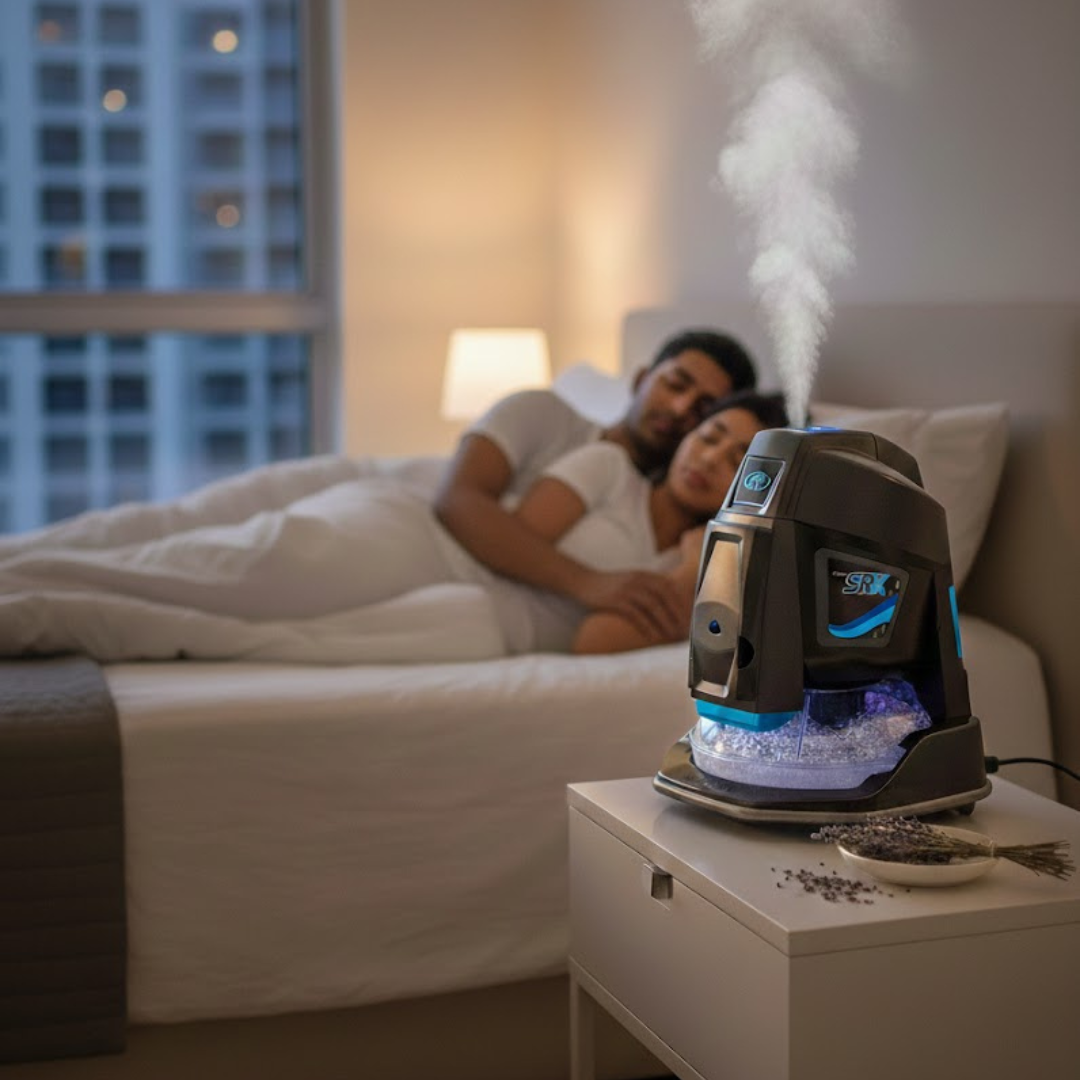
Quality sleep is essential for physical health, mental clarity, and emotional balance. However, for many urban households, restful sleep is disrupted by stress, irregular routines, and overstimulation from daily life. For one family living in a city apartment, difficulty falling asleep, frequent nighttime awakenings, and morning fatigue had become common concerns—even though their bedroom was quiet and well-maintained.
This case study from Hygiene Homes shows how introducing an aroma diffuser helped create a calmer bedtime environment and significantly improved sleep quality through consistent sensory relaxation.
The Problem: Difficulty Unwinding at Bedtime
Despite limiting screen time and maintaining a regular sleep schedule, the family struggled to relax at night. The bedroom often felt mentally stimulating rather than restful, making it difficult to transition into sleep.
The main issues included:
- Trouble falling asleep due to mental restlessness
- Light, fragmented sleep
- Frequent waking during the night
- Morning tiredness despite adequate hours in bed
- A bedroom that felt functional but not calming
The family wanted a natural, non-invasive way to improve sleep without medication. They approached Hygiene Homes to explore solutions that focused on ambience and relaxation.
What We Found During the Assessment
The Hygiene Homes team identified several factors affecting sleep quality:
1. Lack of a Relaxing Sensory Environment
While the bedroom was clean and quiet, it lacked calming sensory cues that signal the body to wind down.
2. High Stress Carryover into the Night
Mental stimulation from work and daily responsibilities extended into bedtime.
3. No Clear Sleep Transition Routine
There was no consistent environmental signal to help the mind shift from alertness to rest.
Based on these findings, Hygiene Homes recommended introducing an aroma diffuser as part of a structured bedtime routine.
Introducing the Aroma Diffuser Solution
The selected aroma diffuser was designed for home use with quiet operation and gentle, consistent misting. It used high-quality essential oils known for their sleep-supporting properties, such as lavender and chamomile.
The diffuser was placed at a safe distance from the bed and programmed to operate during the pre-sleep window, helping establish a calm and predictable night-time environment.
Key benefits of the setup included:
- Even fragrance distribution
- No overpowering scents
- Automatic shut-off for safety
- Silent operation suitable for bedrooms
Results Timeline: What the Family Experienced
Sleep improvements developed gradually as the body adjusted to the new routine.
Within the First Few Nights
- Faster relaxation before bedtime
- A noticeable sense of calm in the bedroom
- Reduced mental restlessness
After 1 Week
- Falling asleep more easily
- Fewer night-time awakenings
- Deeper, more settled sleep
After 2–3 Weeks
- Improved sleep continuity
- Feeling more refreshed on waking
- Reduced reliance on late-night distractions
After 3–4 Weeks
- Consistently better sleep quality
- Improved mood and energy levels during the day
- A stronger bedtime routine anchored by the aroma diffuser
The family reported that the bedroom now felt like a true place of rest rather than just another room in the home.
Why an Aroma Diffuser Helps Improve Sleep
Scent has a direct connection to the brain’s limbic system, which regulates emotions and relaxation. An aroma diffuser supports sleep by:
- Creating a calming sensory cue for bedtime
- Helping the nervous system shift into a relaxed state
- Reducing stress and anxiety before sleep
- Supporting consistent sleep routines
Unlike strong air fresheners, an aroma diffuser provides a subtle, continuous fragrance that promotes relaxation rather than stimulation.
Additional Sleep-Supporting Habits Recommended
To enhance results, Hygiene Homes suggested pairing the diffuser with simple bedtime practices:
- Dimming lights an hour before sleep
- Avoiding screens close to bedtime
- Maintaining a consistent sleep schedule
- Keeping the bedroom cool and clutter-free
- Using the same fragrance nightly to reinforce routine
Together, these habits strengthened the sleep environment and improved long-term results.
Key Takeaways for Better Sleep at Home
Even clean, quiet bedrooms can fail to support quality sleep if relaxation is overlooked. Creating the right ambience plays a critical role in preparing the body and mind for rest.
An aroma diffuser can:
- Improve sleep onset and depth
- Reduce night-time restlessness
- Support mental relaxation
- Enhance bedtime routines
- Create a soothing bedroom atmosphere
This case study demonstrates that improving sleep quality does not always require major lifestyle changes; sometimes, it begins with the right sensory environment.
Creating Restful Sleep Environments
Hygiene Homes continues to help families design healthier, more comfortable living spaces through expert guidance and practical solutions. This transformation highlights how a simple aroma diffuser can make a meaningful difference to nightly rest.
Better sleep starts with a calmer environment—and small changes can lead to lasting improvements.