
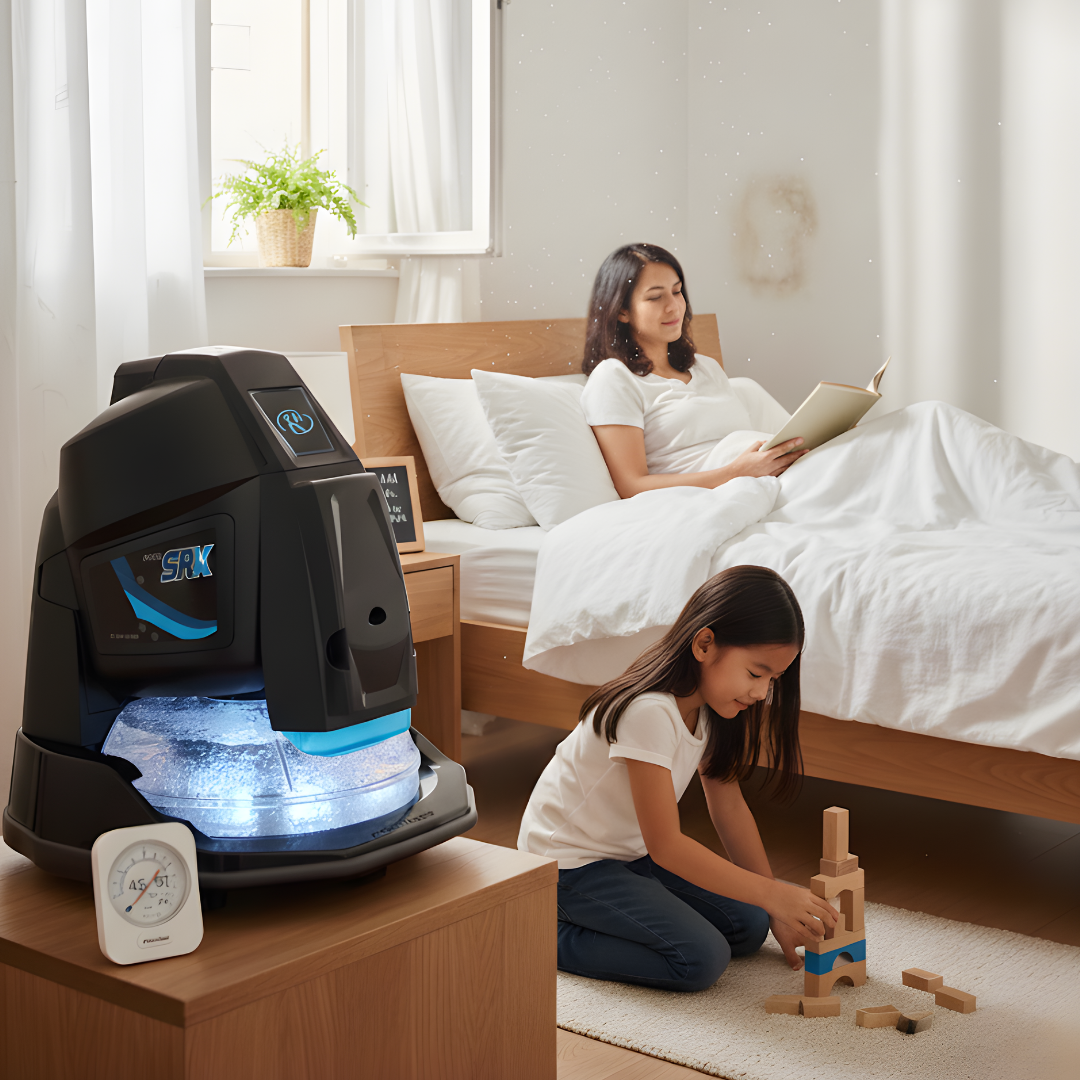
High humidity is one of the most common yet overlooked causes of poor indoor air quality. In humid homes, excess moisture creates the perfect environment for mold growth, especially in bedrooms, bathrooms, and closed rooms. For one family living in a coastal city apartment, recurring mold patches, musty odours, and worsening respiratory discomfort became a serious concern despite regular cleaning.
This case study from Hygiene Homes demonstrates how using the right air purifier helped reduce airborne mold spores and restore a healthier indoor environment in a humid home.
The Problem: Mold Spores Thriving in a Humid Indoor Environment
The family lived in an apartment where indoor humidity levels remained high for most of the year. Limited sunlight, frequent rainfall, and restricted ventilation contributed to persistent dampness indoors.
The most common issues included:
- Visible mold growth on walls and ceilings
- Strong musty odours in bedrooms and wardrobes
- Increased coughing, sneezing, and throat irritation
- Headaches and breathing discomfort
- Frequent return of mold even after cleaning
Although surface mold was regularly wiped away, the problem kept recurring. The family contacted Hygiene Homes to identify why mold continued to spread despite visible cleaning efforts.
What We Found During the Assessment
After a detailed indoor assessment, the Hygiene Homes team identified three key contributors:
1. Excessive Indoor Humidity
Humidity levels consistently remained above recommended limits, allowing mold to thrive.
2. Airborne Mold Spores
Even after cleaning visible mold, microscopic spores remained suspended in the air and resettled on damp surfaces.
3. Poor Air Circulation
Closed windows and continuous air-conditioning prevented proper airflow, trapping moisture and spores indoors.
Based on these findings, Hygiene Homes recommended installing an air purifier with HEPA filtration, supported by humidity control measures.
Introducing the Air Purifier Solution
The recommended air purifier was equipped with a True HEPA filter capable of capturing extremely fine particles, including mold spores. Some units also included activated carbon filters to reduce musty odours.
The purifier was placed in the most affected bedroom and operated continuously during high-humidity periods. Its role was to:
- Capture airborne mold spores before they settled
- Reduce allergen exposure
- Improve overall air freshness
- Support long-term mold management
While the purifier did not remove moisture directly, it played a critical role in stopping the spread of mold through airborne spores.
Results Timeline: What the Family Experienced
The impact of the air purifier became evident in stages.
Within the First Week
- Noticeable reduction in musty odours
- Indoor air felt fresher and lighter
- Less throat irritation in closed rooms
After 2 Weeks
- No new mold spots appeared in treated rooms
- Reduced sneezing and coughing
- Wardrobes and storage areas felt less stale
After 3–4 Weeks
- Significant reduction in airborne mold spores
- Improved respiratory comfort for all family members
- Greater confidence in indoor air quality during humid days
The family reported that mold growth felt controlled for the first time, rather than constantly recurring.
Why an Air Purifier Is Effective Against Mold Spores
Mold spreads primarily through microscopic spores that travel through indoor air. Cleaning visible mold addresses only part of the problem.
An air purifier helps by:
- Capturing mold spores before they resettle
- Reducing continuous exposure during breathing
- Preventing spores from spreading to other rooms
- Improving overall indoor air hygiene
When combined with humidity management, an air purifier becomes a powerful tool for mold control in humid homes.
Additional Steps Recommended for Humid Homes
To enhance results, Hygiene Homes advised the family to adopt a few preventive measures:
- Maintaining indoor humidity between 40% and 50%
- Using exhaust fans in bathrooms and kitchens
- Avoiding drying clothes indoors
- Keeping wardrobes slightly open for airflow
- Periodically sunning mattresses and cushions
Together with the air purifier, these steps helped create a more balanced and healthier indoor environment.
Key Takeaways for Homeowners
Humid homes are especially vulnerable to mold problems, even when they appear clean. Airborne mold spores can quietly affect health and comfort if left unmanaged.
Using an air purifier can:
- Reduce airborne mold spores
- Improve respiratory comfort
- Control musty odours
- Support long-term mold prevention
- Create a safer indoor environment
This case study shows that effective mold control requires addressing the air, not just visible surfaces.
Creating Healthier Homes in Humid Conditions
Hygiene Homes continues to help families manage indoor air quality challenges through expert assessment and practical solutions. This transformation highlights how the right air purifier can make a meaningful difference in humid living environments.
Cleaner air, controlled humidity, and informed habits together form the foundation of a healthier home.